

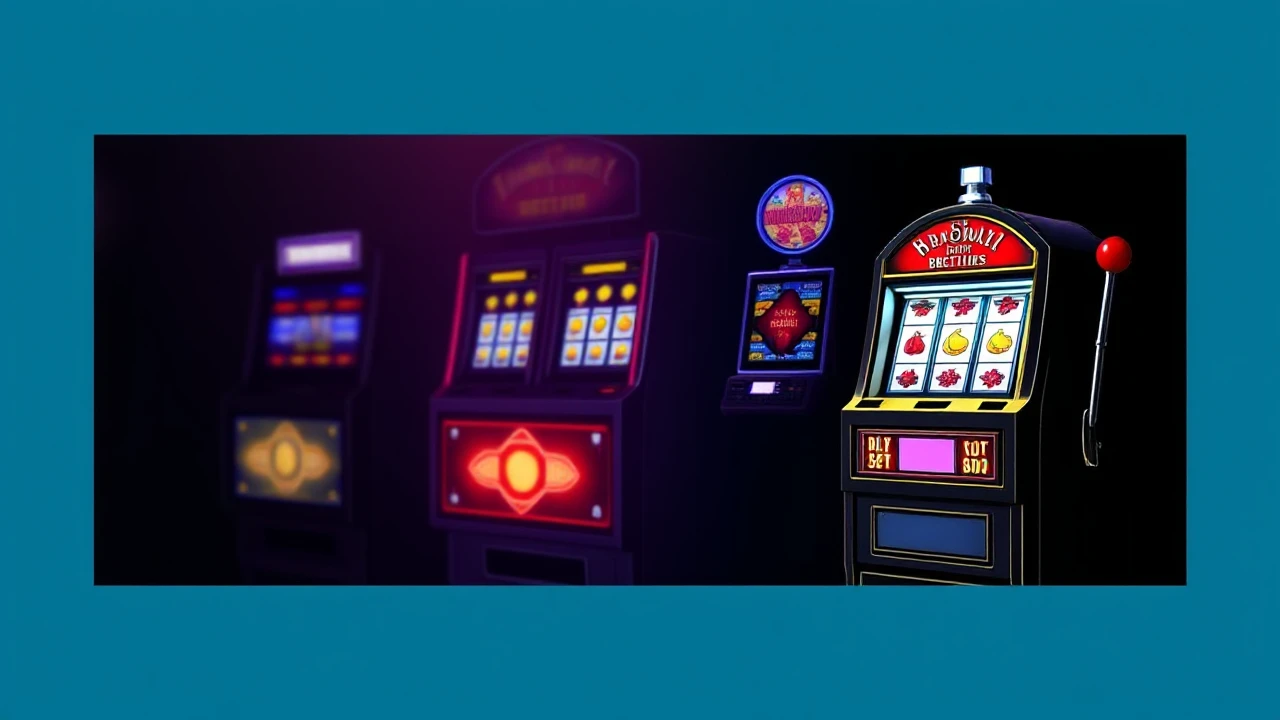
Slot machines have long been a fascination for gamblers around the world. The flashing colors and enticing sounds draw players in, creating an environment of thrill and eagerness. However, behind the glitz and glamour lies a complex network of psychological factors that can lead to addiction. winnerz anmeldelse kongebonus.com
The Allure of Slot Machines
One of the fundamental elements of slot machines is their capacity to trigger reward centers in the brain. Every win prompts a release of dopamine, creating a pleasurable sensation. This sensation reinforces the desire to continue, as players pursue that elusive jackpot.
The Significance of Unpredictable Prizes
One-armed bandits are designed with algorithms that ensure unpredictability in outcomes. This uncertainty keeps players involved, as they believe that a win is imminent. The intermittent reinforcement from these machines is highly effective in sustaining player interest.
The Influence of Sensory Stimuli
Slot machines are crafted to attract various sensory faculties. Vivid hues, animated visuals, and energetic tunes all contribute to the overall experience of playing. These cues create a hypnotic effect, entrancing players and prompting them to keep going.
The Element of Near Misses
A common strategy used in slot machine design is the integration of near misses. When players nearly win big, it activates a sense of anticipation and motivates them to try again. This illusion of being close to winning can be misleadingly strong in maintaining player engagement.
The Significance of Mental Biases in Slot Machine Addiction
Cognitive biases play a significant role in the development of slot machine addiction. Factors such as confirmation bias, illusory correlation, and the gambler's fallacy can affect how players perceive their chances of winning. These biases can exacerbate the addiction, leading players to make irrational decisions in pursuit of elusive wins.
The Relevance of Self-Awareness
Developing awareness of oneself is essential in addressing slot machine addiction. By recognizing one's cues and vulnerabilities, players can take steps to restrict their time spent on these machines. Seeking support from counselors or joining support groups can also assist in overcoming the urge to play.
In Conclusion: Enabling Players to Choose Wisely
Understanding the psychological mechanisms behind addictive behaviors is vital in helping players to make informed decisions. By understanding of the pitfalls and biases at play, individuals can gain control of their playing habits and experience slot machines responsibly. Remember, seeking help is always a option, and healing is achievable with support.